Upholstery Cleaning in West Columbia, SC
Your furniture absorbs the way your household actually lives. The armrest worn smooth by whoever claims the same seat every night. The cushion the dog colonized when nobody was watching. The dining chair backs that caught a year's worth of dinner splashes from kids who eat with enthusiasm and questionable aim. In West Columbia, where windows stay open half the year and the Midlands heat drives everyone indoors onto the couch from May through September, upholstered furniture picks up body oils, pet dander, pollen, and spill residue faster than most people realize.
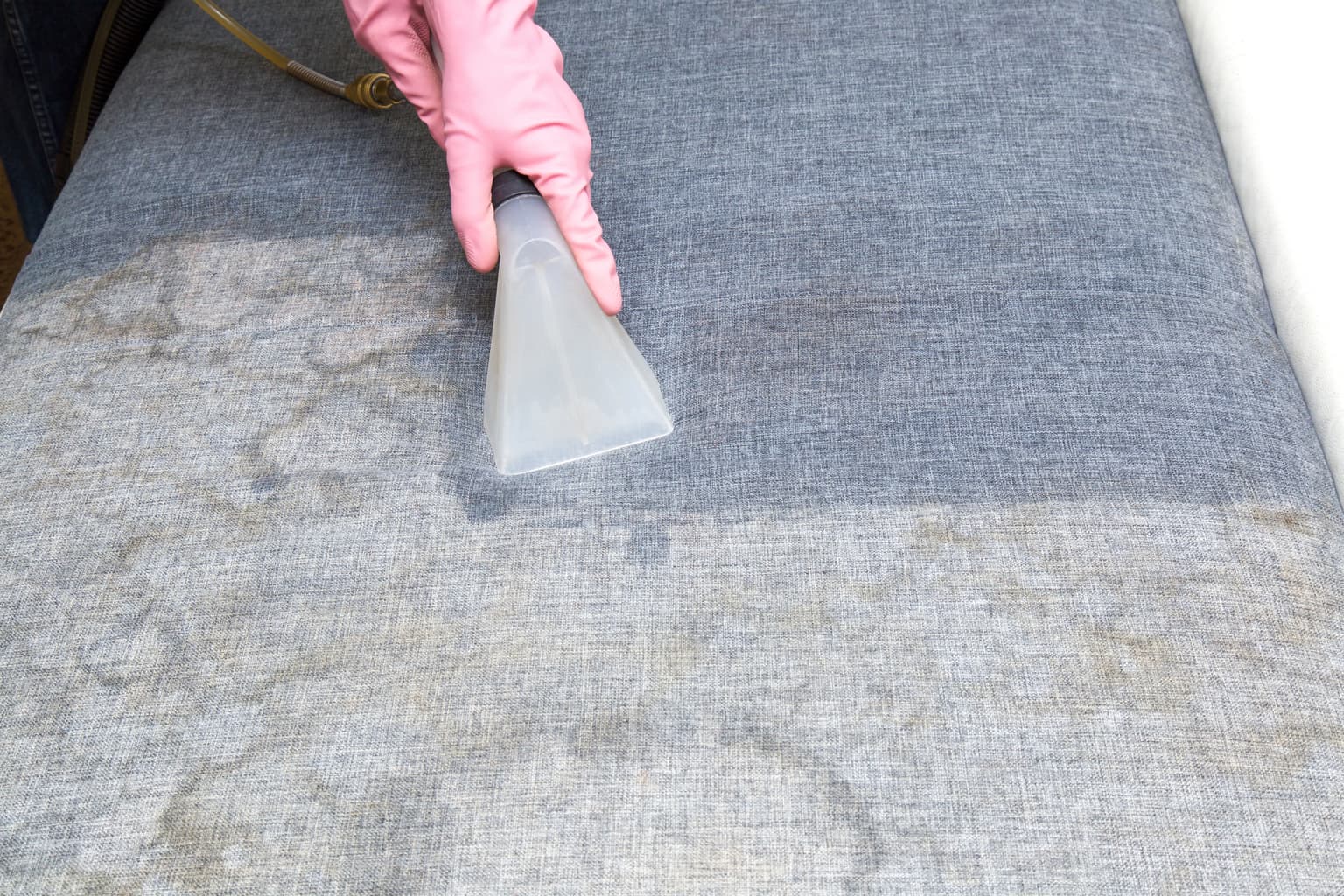
We clean upholstered furniture in your home using the same carbonated, low-moisture system we use on carpet. No soaking. No harsh chemicals. No cushions that stay wet until tomorrow. Most pieces dry within a couple of hours. The fabric feels like fabric again, not stiff, not crunchy, not coated in dried soap residue that grabs new dirt within the week.
What West Columbia Homes Deal With
Pet hair and dander. Dogs and cats are on the furniture. Even in households where the couch is theoretically off-limits, the dander and hair find their way into the weave through contact transfer from clothing. Shed hair, body oils, and dander build up into a film that dulls fabric color and holds odor long after the pet walks away.
Pollen deposits. The Congaree River corridor and the tree canopy across Lexington County produce heavy pollen from late February into May. It enters through windows, HVAC returns, and on clothing, then settles into upholstery fabric where it triggers allergy symptoms for months after the outdoor season is over.
Humidity-driven mustiness. Fabric absorbs moisture from humid air. In the Midlands, that means upholstery in homes without consistent climate control develops a stale, musty quality over time. Professional cleaning extracts the micro-organisms responsible and resets the fabric.
Red clay transfer. Sit down on the sofa in the clothes you wore to the backyard, and whatever Lexington County clay was on your pants transfers to the fabric. These stains accumulate gradually until the whole piece looks a shade darker than it should.
How We Clean Your Upholstery — 6 Steps
Step 1: Fabric Identification and Care Code
Every upholstered piece has a manufacturer tag with a cleaning code: W (water-based cleaning safe), S (solvent only), WS (either method), or X (vacuum only, no wet treatment). We match our method to that code. Ignore it and you get water rings on silk, bleaching on rayon, and shrinkage on linen. We also evaluate the fabric's age and structural condition. A century-old chair in Brookland gets different handling than a five-year-old sectional in a Platt Springs living room.
Step 2: Dry Soil and Hair Removal
Before any solution touches the fabric, we remove loose hair, dander, dust, and surface debris. On furniture in pet-heavy households, this step alone produces a visible difference. We use tools designed to pull embedded pet hair from the fabric weave, not just what is sitting on top. This also means the wet cleaning pass works on actual stains rather than just redistributing surface-level dirt.
Step 3: Pre-Treatment of High-Contact Zones
Armrests, headrest areas, and front cushion edges accumulate body oils faster than any other part of the piece. These zones get targeted pre-treatment that breaks down oil buildup so the main cleaning pass can extract it effectively. That dark band along the top of a sofa back? Years of hair oils. It comes out.
Step 4: Carbonated Deep Cleaning
Our soap-free solution produces carbonation that lifts soil from fabric fibers without leaving residue behind. We agitate gently with the grain of the weave, extract the loosened dirt, and leave the fabric slightly damp, never saturated. No sticky film drying in place. No detergent attracting new soil by next week. A real cleaning, not a surface disguise.
Step 5: Spot and Odor Treatment
Individual stains that need extra work get specific chemistry. Enzyme products for pet accidents. Oxidizers for wine and coffee. Careful solvent treatment for ink or marker. If a stain has permanently altered the dye in the fabric fibers, we tell you. Not all stains are reversible. Honest assessment saves frustration and money.
Step 6: Fabric Grooming and Final Check
We brush the upholstery to restore its natural texture and check results with you while we are still in the room. Dry time runs one to three hours depending on fabric weight and indoor humidity levels.
Fabric Types We Work With
Microfiber: resists staining but traps dust and oils; looks noticeably different after extraction. Linen and cotton: prone to water-spotting and shrinkage, making low-moisture cleaning critical. Wool blends: require correct pH balance; alkaline products damage fiber. Velvet: pile direction matters; we work carefully with the nap. Performance fabrics (Crypton, Sunbrella): respond quickly and predictably to our method. Silk and rayon: fragile fibers that we test in a hidden area before proceeding.
What We Clean
Sofas, sectionals, loveseats, armchairs, wing chairs, recliners, dining chairs, ottomans, upholstered headboards, mattresses, office chairs, and outdoor cushions. If it is covered in fabric and lives in your home, we can almost certainly clean it.
When Replacement Is Not the Answer
A sofa that looks dingy after five or six years often just needs the accumulated body oils extracted from the fabric. That is a cleaning job, not a trip to the furniture store. The color dulling on armrests? Oil buildup. The general "tired" look? Accumulated dust and body soil flattening the fabric's texture.
Professional cleaning costs a fraction of new furniture. A decent sofa runs $2,000 to $4,000 at current prices. Cleaning extends its presentable life by years and costs less than replacing a single cushion cover.
For older pieces, family heirlooms found in Brookland and Triangle City homes, replacement is not even an option. You cannot walk into a store and buy another one. Proper cleaning maintains what you have, while the wrong method destroys it. We take the fabric identification step seriously because the stakes are real on irreplaceable furniture.
Why West Columbia Homeowners Choose Safe-Dry
The Midlands climate means furniture absorbs more ambient moisture, more pollen, and more airborne particulate than furniture in drier regions. A cleaning method that leaves cushions wet for hours only compounds that moisture problem. Our carbonated approach cleans deeply while keeping water use to a minimum, which is exactly what upholstery in this climate needs.
Whether you are in a newer development off Platt Springs Road or an older home in Saluda Gardens, the approach is the same: identify the fabric, remove the embedded soil, and leave the piece dry enough to sit on the same day.
Our Guarantee
If the results do not meet your expectations, call us. We will return and re-treat the piece at no extra charge. Our technicians are trained on every major fabric type and know how to handle everything from a microfiber sectional to an antique wingback.
Frequently Asked Questions
How long until I can sit on the furniture after cleaning?
One to three hours for most fabrics. Heavier materials like chenille and dense linen take the longer end. Microfiber and synthetics dry fastest. Standing cushions on end after we leave helps speed things up.
Can you remove the dog smell from a sofa?
Yes, in most cases. Dog odor lives in the fabric's accumulated oil and dander. Once that is extracted, the smell goes with it. For sofas where a pet has had urinary accidents that soaked through to the cushion foam, that is a different situation requiring foam replacement or our pet odor service.
Do you clean antique upholstered furniture?
We do, with appropriate caution. We identify the fabric, test colorfastness, and adjust moisture and agitation for delicate materials. Antique horsehair upholstery, original damask, and hand-embroidered pieces all get handled individually.
Is there anything I should do before the appointment?
Remove personal items from between cushions and clear the area around the furniture so we can access all sides. If you have specific stains you want us to focus on, point them out when we arrive.
Can you do upholstery and carpets in the same visit?
Absolutely. Most customers book both together. We coordinate the order for the best overall result and give you a combined time estimate.
Book Upholstery Cleaning
Call 803-310-3848 or schedule online. We serve West Columbia, Cayce, and every Lexington County community on our route. Pair it with a carpet cleaning or antibacterial treatment if you are doing a full household reset.