Oriental Rug Cleaning in West Columbia, SC
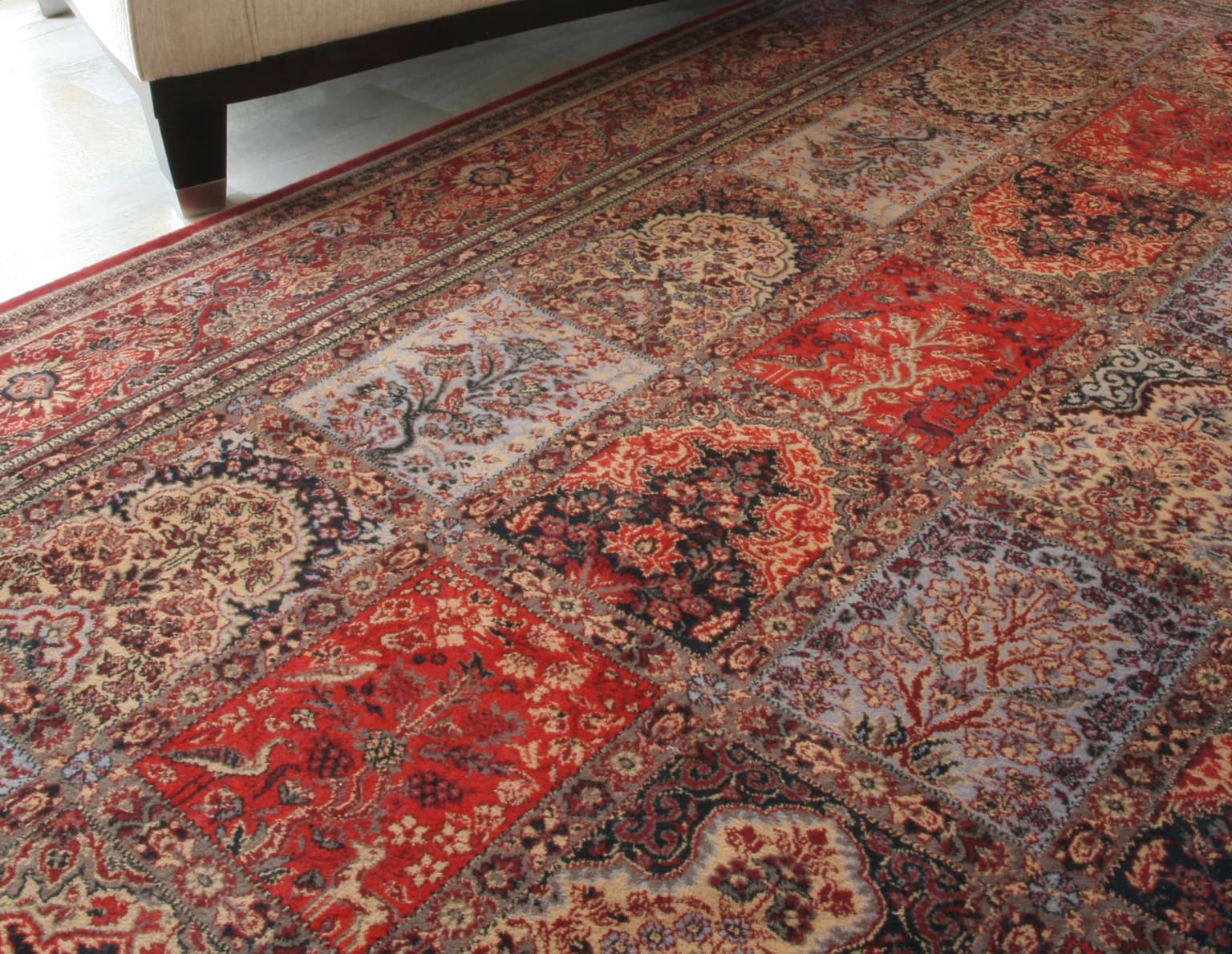
An oriental rug is often one of the most valuable textiles in the house. Hand-knotted pieces from Persia, Turkey, India, and China carry generations of craftsmanship in their fiber. West Columbia's sustained humidity, heavy pollen, and the red clay that defines Lexington County soil all present challenges for these rugs. Dye instability, fiber degradation from embedded grit, and mildew risk from excess moisture require a cleaning approach that treats each piece individually rather than running it through a standard process.
We clean oriental rugs in your home using a controlled-moisture, carbonated method that preserves dyes, protects fiber integrity, and dries in about an hour. Every rug is inspected, tested, and mapped before any solution touches it. No generic approach. No unnecessary risk.
Why Oriental Rugs Need Specialized Care in the Midlands
The SC Midlands climate creates conditions that affect oriental rugs differently than standard machine-made carpeting.
Humidity and dye migration. Natural dyes in hand-knotted rugs are more likely to bleed when exposed to excessive moisture. In a region where indoor humidity often sits above 60 percent for months at a time, a cleaning method that introduces large volumes of water raises the risk of dye movement. Our process uses minimal moisture, keeping the rug barely damp during cleaning and fully dry within the hour.
Red clay and embedded grit. Lexington County's clay soil produces particles finer than the natural gaps in wool and silk fibers. These particles settle deep in the pile and, with every footstep, act like microscopic sandpaper against the rug's foundation threads. Regular professional extraction removes this abrasive material before it causes permanent wear.
Pollen accumulation. The Congaree River corridor generates heavy seasonal pollen that settles into rug fibers through open windows and HVAC systems. For allergy-prone households, an oriental rug that has not been professionally cleaned becomes a concentrated allergen reservoir.
How We Clean Your Oriental Rug — 6 Steps
Step 1: Full Inspection
We flip the rug and study it before anything else happens. Weave type (hand-knotted, hand-tufted, flat-weave) gets identified. Fiber composition gets documented: wool, silk, cotton, or blends. We check the foundation for dry rot, inspect for moth damage, and note existing repairs. This documentation protects both you and the rug throughout the process.
Step 2: Dye Stability Testing
We test dyes in edge and corner areas using a damp white cloth and controlled pressure. Each color gets tested individually because reds, blues, and greens can react differently to moisture and pH levels. If any dye shows movement, we adjust the technique for that section or recommend an alternative approach before proceeding with the full cleaning.
Step 3: Dry Soil Extraction
Embedded grit is the silent destroyer of oriental rugs. We remove loose particulate mechanically before introducing any moisture. Wet cleaning over embedded grit grinds those particles deeper into the fiber rather than lifting them out. For rugs positioned in entryways or high-traffic rooms in West Columbia homes, this extraction alone removes surprising volume.
Step 4: Controlled Carbonated Cleaning
Our soap-free solution generates carbonation that lifts soil from fibers without saturating the rug. We work with the direction of the pile, never against it, using gentle agitation calibrated to the rug's fiber type and age. Wool gets different pressure than silk. A fifty-year-old rug gets different handling than a ten-year-old one. Cleaning pads capture loosened soil without pulling at the weave or stressing delicate knots.
Step 5: Targeted Stain Treatment
Individual stains like wine, pet accidents, food spills, and ink get attention with stain-specific chemistry applied precisely to the affected area. We do not apply broad-spectrum chemicals across the entire rug when only a small section needs additional work. For stains that have permanently altered the dye, we tell you honestly rather than attempt treatments that risk damaging surrounding areas.
Step 6: Pile Grooming and Final Assessment
We brush the pile back to its natural direction, restoring the light-play that gives hand-knotted rugs their visual depth. Then we inspect the rug under proper lighting, walk through the results with you while we are still on-site, and point out anything we noticed during cleaning: early moth activity, foundation wear, fringe deterioration, or previous repairs that became visible once soil lifted.
Rug Types We Regularly Clean
Persian (Tabriz, Kerman, Isfahan, Heriz, Sarouk, Kashan), Turkish and Anatolian village rugs, Caucasian geometrics (Kazak, Shirvan), Indian hand-knotted wool and silk, Pakistani Bokhara, Chinese silk, Afghan and Turkmen weavings, and contemporary hand-knotted designer rugs.
If you are not sure what you have, the back of the rug tells us everything we need to know. You do not need to be a rug expert before calling.
In-Home vs. Facility Cleaning
In-home cleaning works for most oriental rugs in West Columbia. It eliminates transportation risks and delivers same-day results. Facility cleaning makes sense when deep urine has saturated the foundation, the rug is extremely high-value and fragile, moth damage is active, or the foundation is weak enough to need controlled flat-drying. We will give you an honest opinion based on what the rug actually needs, not what generates the most revenue.
Protecting Your Investment Between Cleanings
Use a quality rug pad designed for oriental rugs. It prevents sliding, cushions the foundation, and allows air circulation underneath. Cheap rubber pads can off-gas and leave marks on rug backs.
Vacuum with suction only. No beater bar on hand-knotted pieces. Vacuum in the pile direction only.
Rotate twice a year to even out sun exposure and traffic wear, especially in rooms with strong afternoon light.
Blot spills immediately. Clean white cloth, cold water, working from the outside of the spill inward. Never scrub. Call us if you are unsure about a specific stain. Advice on the phone is always free.
Professional cleaning every one to two years for rugs that see regular foot traffic. Longer intervals are fine for rugs in low-traffic rooms.
Why West Columbia Homeowners Choose Safe-Dry
We understand that an oriental rug is not interchangeable. You cannot replace it at a home improvement store if something goes wrong during cleaning. That is why every job starts with inspection and testing before any moisture touches the piece. Homeowners in established Brookland with inherited family rugs and families in newer neighborhoods with recently purchased pieces both receive the same careful, individualized attention.
Every technician who handles oriental rugs is trained in fiber identification, dye chemistry, and the specific risks associated with antique textiles. We do not send generalists to work on specialized pieces.
Our Guarantee
If the results do not meet your expectations, contact us. We will return and re-treat the rug at no additional charge. For especially valuable or irreplaceable pieces, we provide a pre-cleaning condition report so you have documentation of the rug's state before and after our work.
Frequently Asked Questions
How much does oriental rug cleaning cost?
Pricing depends on the rug's dimensions, material, and condition. Call 803-310-3848 with an approximate size and fiber type, and we can provide a ballpark. For particularly valuable pieces, we prefer to see the rug in person before giving a final number.
Will cleaning change the patina on my antique rug?
Good cleaning preserves patina. We remove surface grime, not the aged character of the wool. Colors may look brighter afterward because dirt was muting them. That is the original dye showing through, not a change to the fiber itself.
My rug has moth holes. Should I clean it first or repair it first?
Clean first. Cleaning removes moth larvae and eggs that may still be present, and it reveals the full extent of damage so a repair specialist can assess accurately. We note all affected areas during our inspection.
Is it safe to clean a rug that is over fifty years old?
Yes, with appropriate caution. Age affects fiber flexibility, dye stability, and foundation integrity. We adjust every aspect of our process for older pieces: lower moisture, gentler agitation, and more conservative stain treatment.
How often should an oriental rug be professionally cleaned?
Every one to two years for rugs in regular use. Rugs in lower-traffic rooms can go longer. The real indicator is embedded grit. If you can feel particles when you run your hand deep into the pile, it is time for professional extraction regardless of the calendar.
Schedule Oriental Rug Cleaning
Call 803-310-3848 or book online. We serve West Columbia, Cayce, and all of the surrounding Lexington County communities. Describe your rug when you call, approximate size, fiber type if known, and any specific concerns. We will walk you through the process and pricing before scheduling.