Antibacterial Sanitizer in West Columbia, SC
West Columbia's allergy calendar does not give your lungs much of a break. Pine pollen hits in February and blankets everything through April. Oak and grass pollen follow into summer. Ragweed takes over in fall. And the humidity that sits over the Midlands year-round creates dust mite conditions that never fully shut down. Drier climates get some relief in winter. We don't. If someone in your household reaches for an inhaler indoors, takes allergy medication daily, or wakes up congested even when the outdoor pollen count is low, the soft surfaces in your home are part of the equation.
Carpet, area rugs, and upholstery act as reservoirs for pollen, dust mite waste, pet dander, and mold spores. They trap those particles, which temporarily keeps them out of the air, but the accumulation builds. A standard cleaning removes soil and allergens at the surface level. Our antibacterial sanitizer goes further: it deactivates biological triggers and leaves a residual protective layer that keeps working for weeks after we leave.
This is an add-on service, not a standalone. We apply it after a carpet cleaning, area rug cleaning, or upholstery cleaning. Clean the surfaces first, then sanitize. That is the sequence that produces real, measurable results.
Who Actually Needs This
Not every household does, and we will tell you that upfront. For a pet-free home with no allergy sufferers where the carpet sees moderate use, a standard cleaning handles what needs handling. But for some households, the sanitizer add-on makes a real difference in daily comfort:
Allergy and asthma households. Dust mite allergen lives in carpet fibers by the millions. Our treatment deactivates the allergenic proteins on contact. People notice the difference within days: less congestion, fewer inhaler doses, better sleep.
Multi-pet homes. The sanitizer targets the bacteria responsible for the generalized "pet household" smell that residents stop noticing but visitors detect immediately.
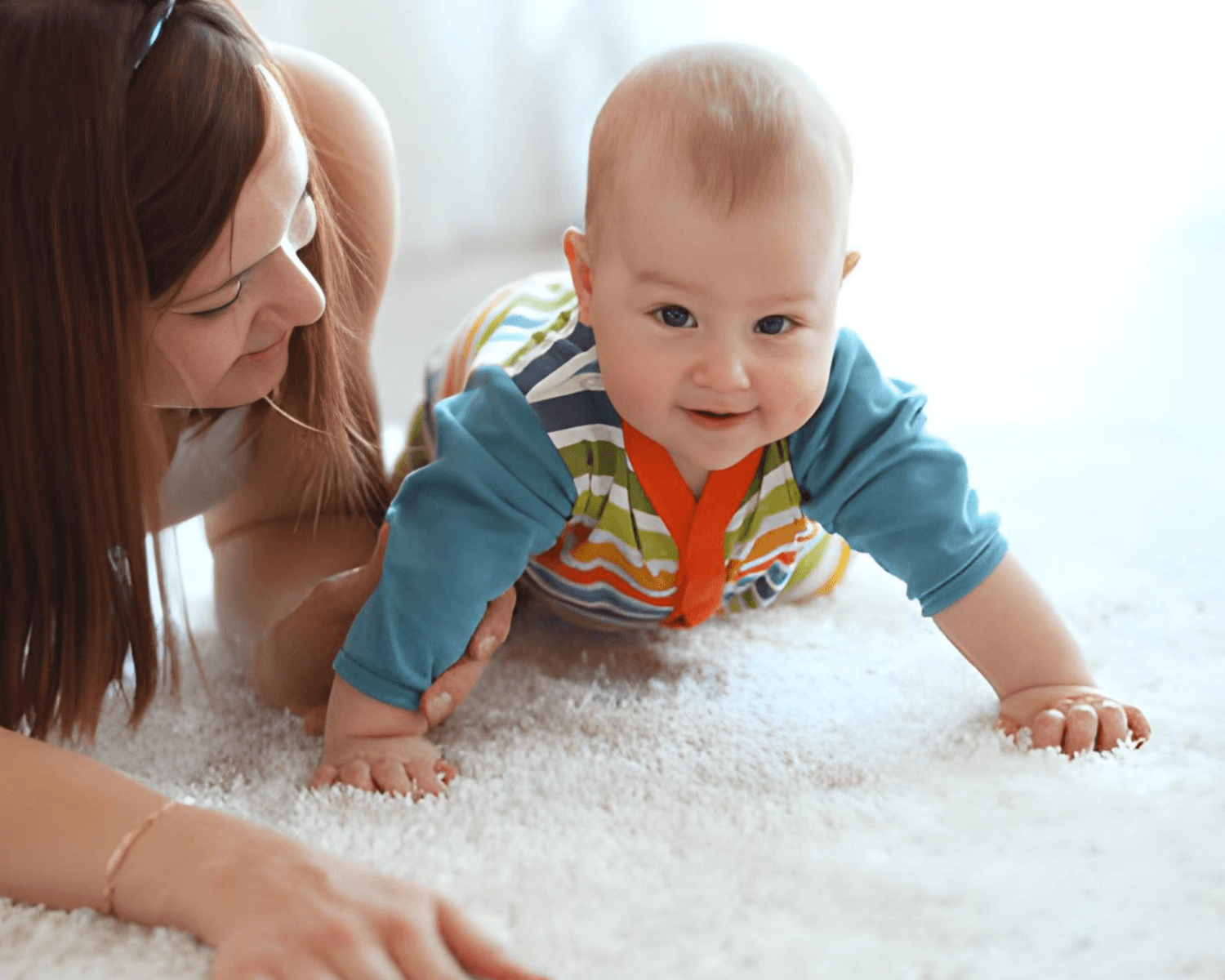
Households with infants or toddlers. Young children spend hours with their faces at carpet level and put floor-toys in their mouths. Reducing the bacterial load where they play is practical, not an overreaction.
Post-illness situations. Soft surfaces harbor microbes longer than hard surfaces after the flu or a stomach bug runs through the household.
Move-in preparation. You do not know what the previous occupant's carpet endured. Clean it, sanitize it, then it is yours.
Seasonal allergy resets. Some West Columbia households book twice a year: after spring pollen season when Congaree corridor trees finish their cycle, and before closing the house up for cooler weather.
What the Product Is (and Is Not)
The sanitizer is EPA-registered, non-toxic, and leaves no noticeable residue on the fabric. No bleach smell. No chemical off-gassing. A faint clean scent during application that fades as the surface dries.
It is safe for children and pets once dry, about an hour on carpet, two to three hours on heavier upholstery fabric.
It is not a sterilizer. It will not turn your carpet into a surgical suite. What it does: reduce bacterial counts, deactivate dust mite and pet dander allergens, and inhibit mold spore viability. That is measurable and it matters. It will not exempt you from ever vacuuming again.
How We Apply the Sanitizer — 6 Steps
Step 1: Surface and Fabric Assessment
We identify what we are treating: carpet fiber type, upholstery fabric, rug construction. Application rates and dry times vary by material. Wool behaves differently than nylon. A microfiber sofa absorbs differently than canvas. We also identify focus zones: areas near exterior doors where pollen enters, pet sleeping spots, under and around furniture where dust builds up, and high-traffic paths that stir up settled particles.
Step 2: Post-Cleaning Prep Check
The sanitizer performs best on freshly cleaned surfaces. Applying it on top of embedded dirt simply seals the dirt in. We confirm that the preceding cleaning was thorough and that all treatment areas are soil-free and ready to receive the product.
Step 3: Controlled Application
We apply the sanitizer as a fine, calibrated mist that reaches fiber level, not just the tips of the pile. Even coverage without pooling or over-saturation. The application adds minimal time to the overall appointment.
Step 4: Allergen Deactivation
Active ingredients denature allergenic proteins on contact. Dust mite waste, pet dander, and pollen antigens undergo a molecular change so the immune system no longer reacts to them. This is different from masking products that cover odors with fragrance. The allergen itself is chemically neutralized.
Step 5: Residual Protection Formation
The product leaves a microscopic protective layer that continues working for weeks. No stiffness. No tackiness. No texture change. Protection diminishes gradually as new soil accumulates, which is why we recommend reapplication at six-to-twelve-month intervals for allergy-focused households.
Step 6: Drying and Clearance
Carpet dries in about an hour. Upholstery in two to three hours depending on fabric density. Once dry, surfaces are safe for full contact. Kids, pets, bare feet. No off-gassing, no waiting period.
What the Treatment Targets
Dust mite allergens: the proteins in mite waste that trigger sneezing, congestion, and asthma episodes. Pet dander: cat and dog allergen proteins that embed in fibers and persist for months. Bacteria: household bacteria that cause carpet odors and thrive in high-traffic fibers, especially in humid environments. Mold and mildew spores: in West Columbia's humidity, carpet harbors these even without visible surface growth. Pollen antigens: trapped pollen that keeps triggering reactions long after outdoor counts drop.
Pairing With Other Services
The most popular combination is standard carpet cleaning plus sanitizer. It also pairs well with upholstery cleaning since sofas hold as much allergen material as carpet, and with pet odor treatment, which handles accident zones while the sanitizer addresses general bacterial load. Area rug and oriental rug cleaning are also common pairings.
Why West Columbia Homeowners Choose Safe-Dry
The Midlands climate is a dust mite paradise. Warm temperatures and sustained humidity create the exact conditions where mite populations thrive year-round. Unlike drier parts of the country where winter kills off a portion of the mite population naturally, Lexington County homes maintain mite-friendly conditions twelve months out of twelve. For households where allergies or asthma are part of daily life, the sanitizer add-on turns a cleaning appointment into a real improvement in indoor air quality.
Families near Fort Jackson who have relocated from drier bases often notice that their allergy symptoms worsen after the move. The culprit is not always outdoor pollen. It is often the indoor allergen load that accumulates faster in this climate.
Our Guarantee
The sanitizer is applied as part of a professional cleaning appointment by trained technicians. If you have concerns about the application or do not notice the expected improvement in indoor air quality, let us know. We will return and evaluate at no additional charge.
Frequently Asked Questions
Will this help with my springtime allergies inside the house?
Yes, this is one of the primary use cases. Pollen that settles into carpet and upholstery keeps triggering reactions long after outdoor counts drop. The treatment deactivates those trapped antigens so your indoor environment does not extend your allergy season by weeks.
Is it safe for a baby who crawls on the carpet?
Completely safe once dry. The product is non-toxic, contains no volatile compounds, and leaves no irritating residue. It was formulated specifically for homes with infants and pets.
How is this different from store-bought "allergy" carpet sprays?
Store products typically mask odors or add fragrance. They do not deactivate allergen proteins at a molecular level, and they do not carry EPA registration verifying their efficacy claims. Our product is independently tested and registered.
Can I get the sanitizer without the cleaning first?
We do not recommend it. Applying sanitizer on top of dirty carpet seals in grime and produces minimal benefit. The cleaning removes the bulk material; the sanitizer protects the clean surface. They work as a sequence, not independently.
Do I need this if nobody in my house has allergies?
Maybe not. For homes without allergy sufferers, pets, or heavy-traffic conditions, a standard cleaning is likely sufficient. We will not push it on households that do not need it. Ask us on the phone and we will give you a straightforward recommendation.
Add This to Your Next Cleaning
Call 803-310-3848 or book online. Mention the sanitizer add-on when booking. We serve West Columbia, Cayce, and all Lexington County communities. Not sure whether it is worth it for your situation? Ask. We will give you an honest answer.